Eat for what
you do.
Musette reads your workouts from intervals.icu, converts your physical output into exact daily carbohydrate targets, and writes the grocery list for delicious home-cooked dinners. No barcode scanning. No calorie anxiety.

See how every day transforms dinner
Tap any day from Monday through Sunday to see how training volume, carbohydrate targets, and real recipes adapt across the week.
- Activity Output
- 3h 45m (52 mi)
- Mechanical Energy
- 2,180 kJ
- Training Stress (TSS)
- 241
- Session Intensity
- 0.81 (Aerobic / Z3)
- Total Energy Required
- 4,591 kcal
- Carbohydrate Target
- 741 g (4.6 g/lb)
- During-Workout Fuel
- 335 g (89 g/h)
- Table Carbohydrates
- 406 g carbs
Real food for athletes who love dinner.
Every recipe in your monthly plan is high-protein, richly seasoned, and calibrated to replenish glycogen without complicated kitchen math.
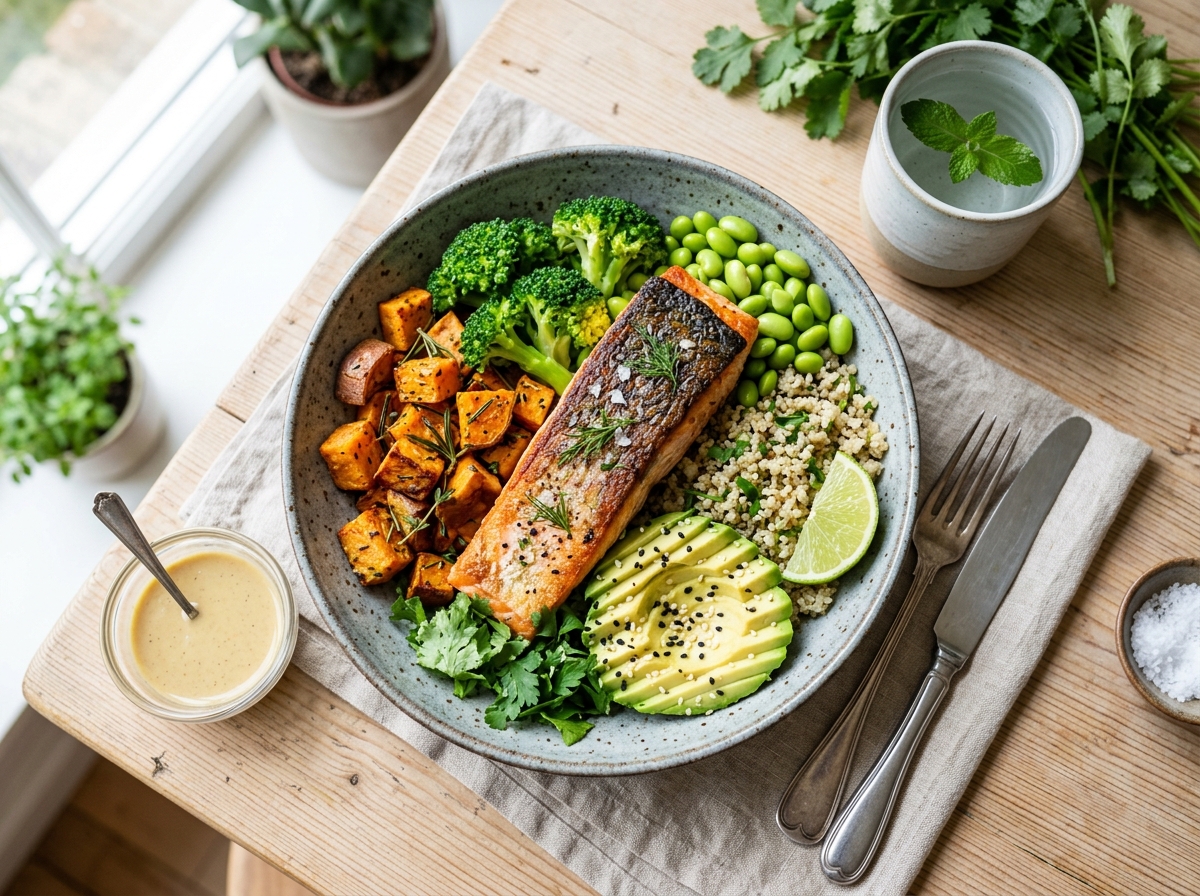
Pan-Seared Salmon & Quinoa Bowl
Wild salmon with roasted sweet potatoes, avocado, edamame, and lime. 620 kcal · 48g Carbs · 42g Protein.
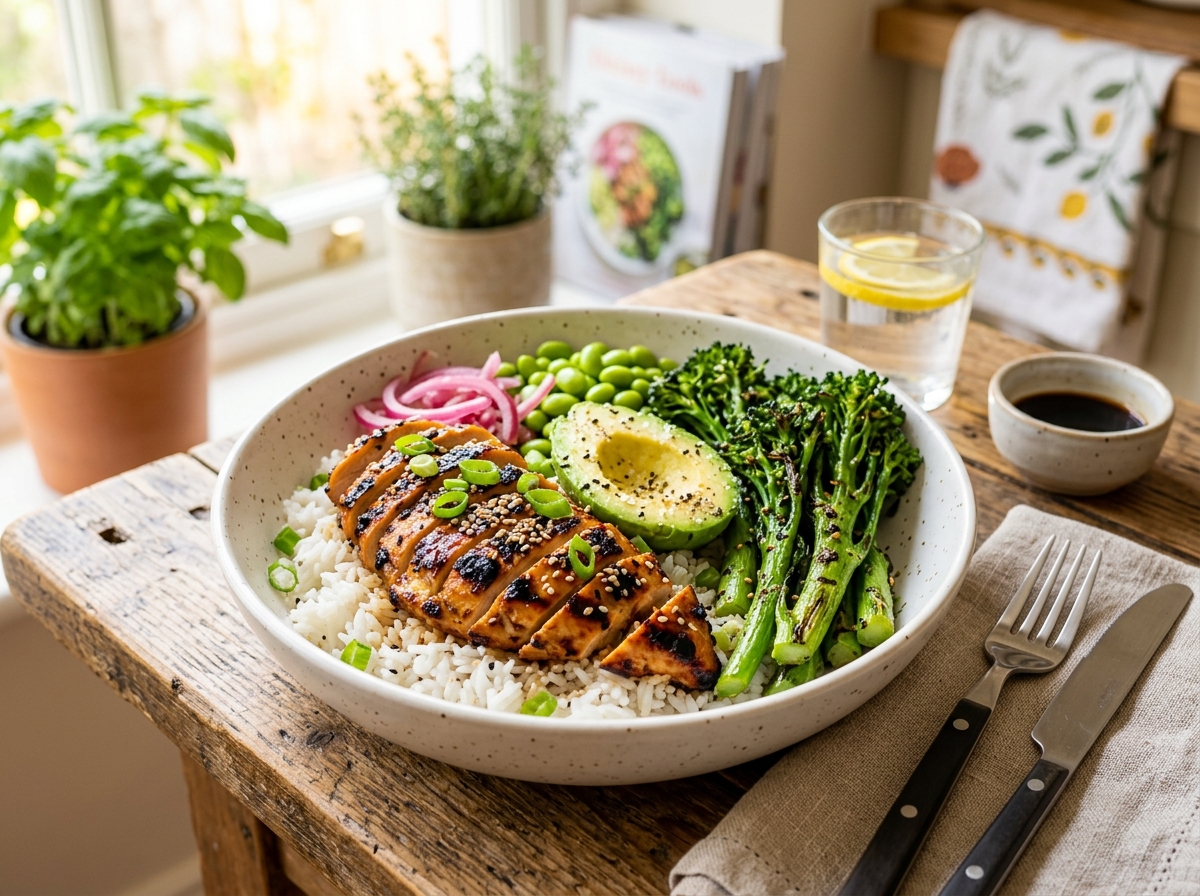
Honey-Ginger Chicken & Jasmine Rice
Charred broccoli, avocado, edamame, and pickled red onion over fragrant rice. 710 kcal · 78g Carbs · 46g Protein.
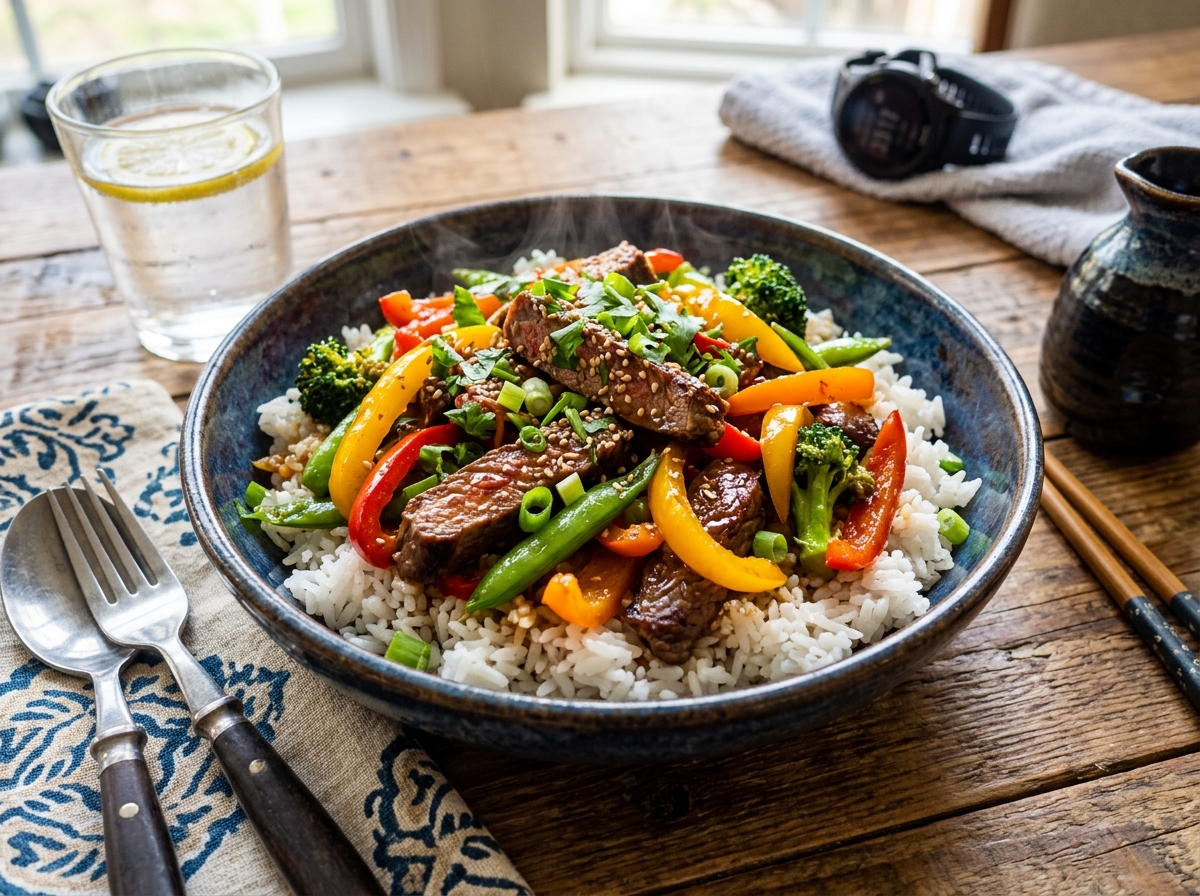
Sizzling Beef & Broccoli Stir-Fry
Tender steak, snap peas, and sweet bell peppers in ginger soy glaze over rice. 760 kcal · 86g Carbs · 48g Protein.
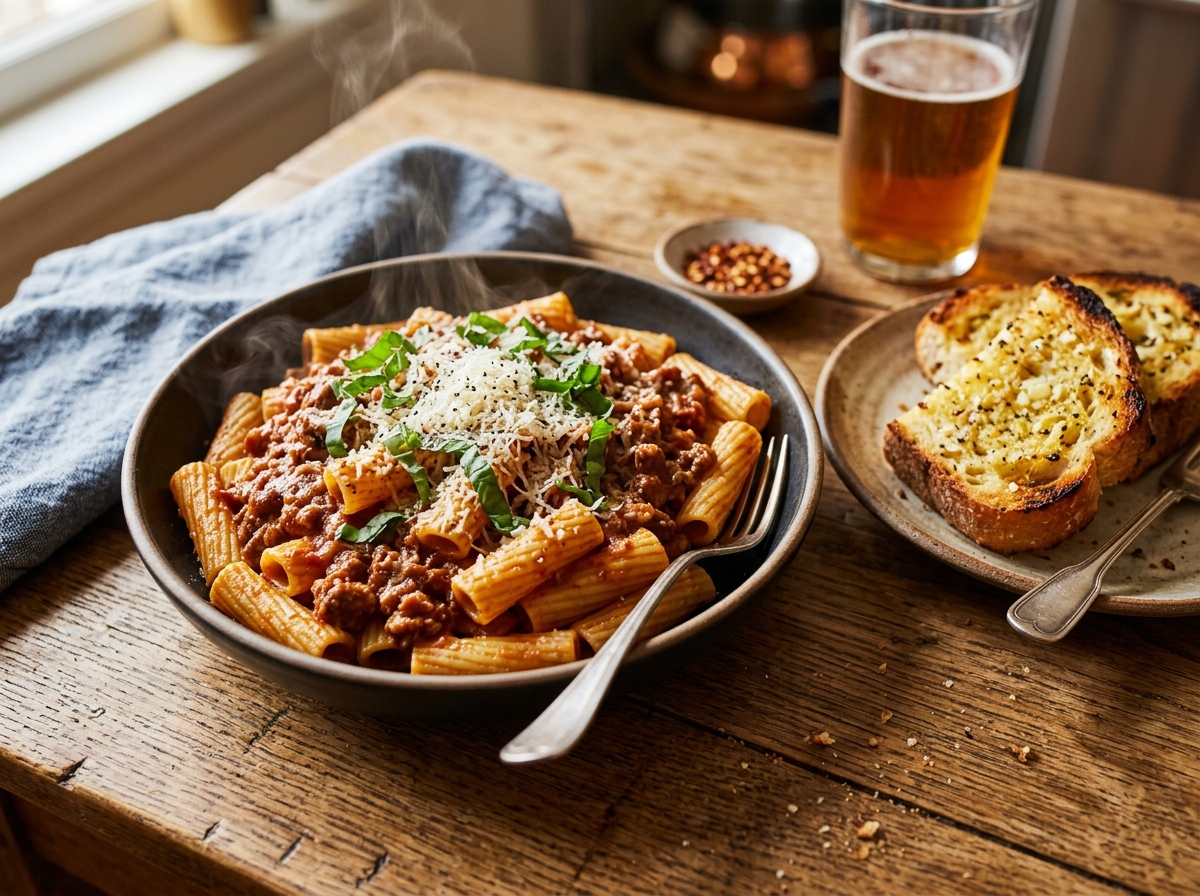
Rigatoni Bolognese with Garlic Toast
Slow-simmered beef ragù with fresh basil and sourdough garlic bread. 860 kcal · 108g Carbs · 44g Protein.
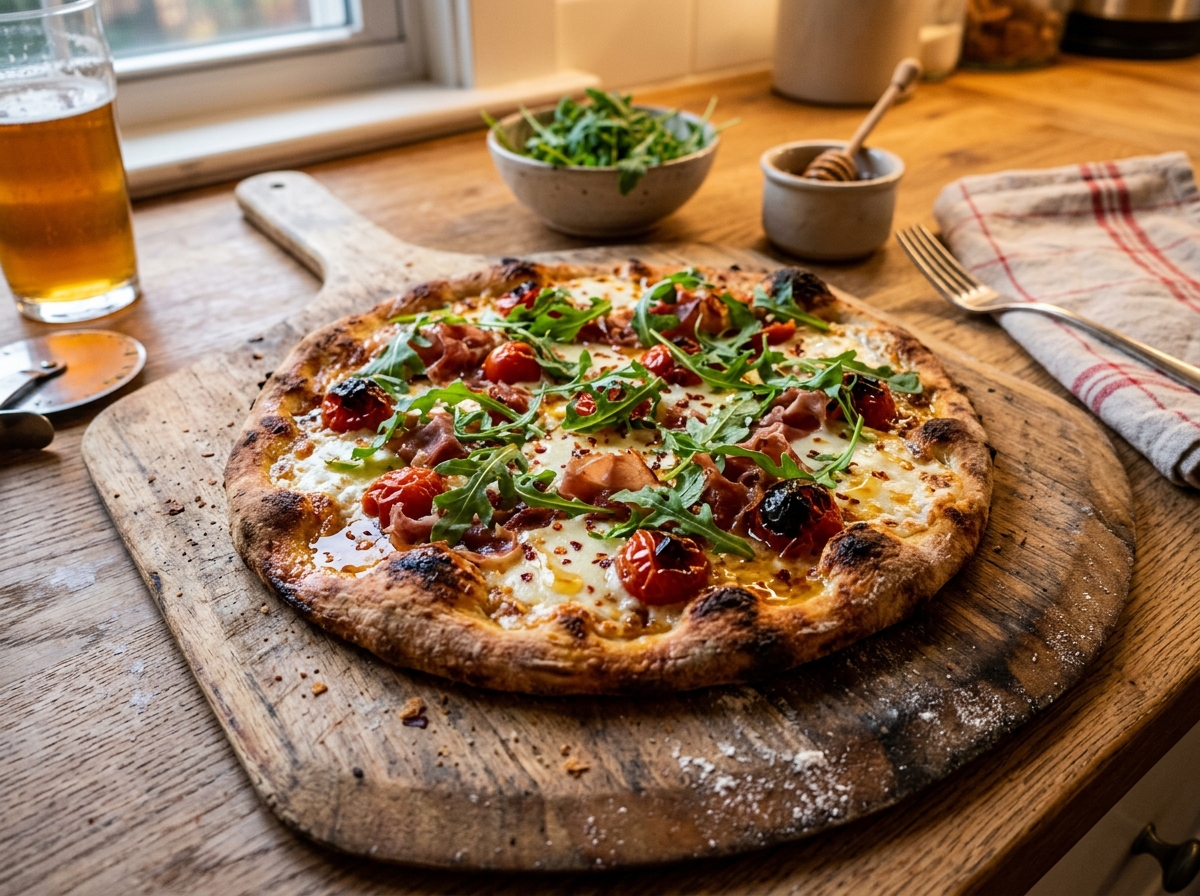
Artisan Prosciutto & Hot Honey Pizza
Thin-crust sourdough pizza with melted mozzarella, arugula, and hot honey. 890 kcal · 102g Carbs · 42g Protein.
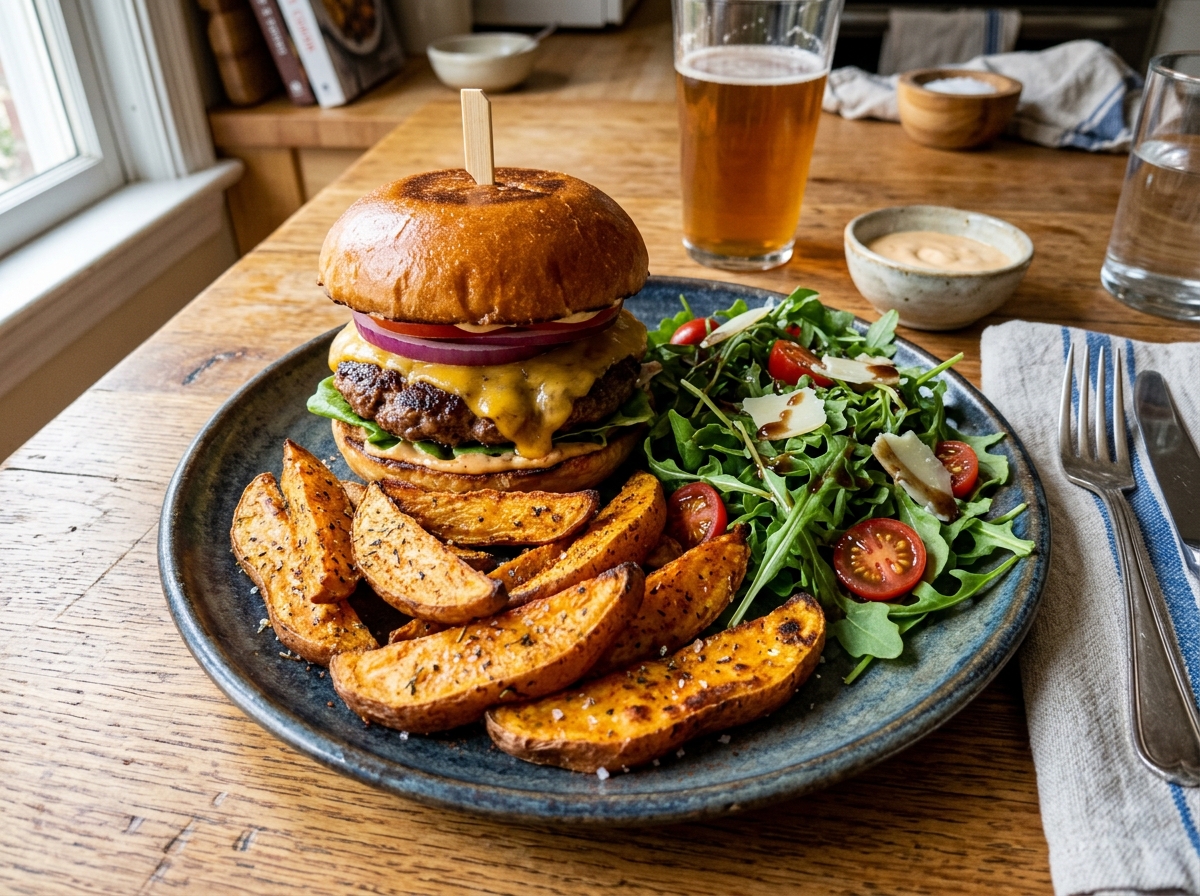
Smash Burgers on Brioche with Wedges
Grass-fed beef smash patties, aged cheddar, and crispy sweet potato wedges. 930 kcal · 112g Carbs · 48g Protein.
Three simple steps. Then it runs on autopilot.
Connect your device
Link intervals.icu in 30 seconds. Your Garmin, Wahoo, Apple Watch, COROS, or Zwift automatically delivers completed workouts to Musette.
Set your weekly rhythm
Configure your weight in lbs, target hours, and training days. The engine computes your metabolic baseline and shifts carb targets dynamically.
Cook, eat & recover
A full month of dinner recipes calibrated to your intensity. The grocery list is grouped by aisle so shopping takes minutes.
Software built like a fine chef's knife.
We don't monetize your screen time, sell your health records, or design habit loops to trap you in an app.
- No feeds, streaks, or badges. Nothing engineered to trigger dopamine loops or waste your recovery time.
- No advertising and zero data brokers. Your bodyweight and workout data are strictly confidential and prune after 90 days.
- No food guilt. No "earning" calories or "burning off" meals. Food is clean performance fuel.
- Not a medical device. Built on physiological physics and sport science. For medical advice, consult a physician.
- Invite only. Kept deliberately small so it remains sovereign, fast, and free.
Have an invite code?
Sign in or enroll your passkey in under a minute.
Redeem Invite or Sign In →